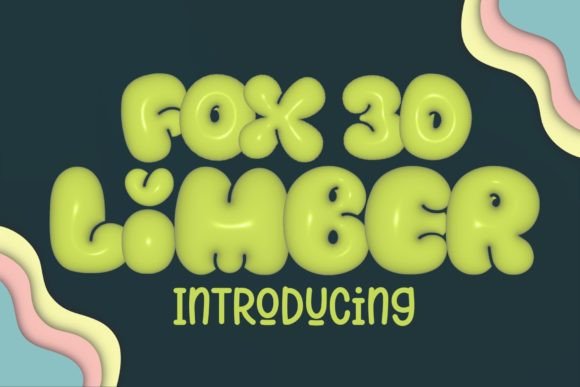
Fox Limber 3D: A Color Font for Web Design
Working on a boutique online store project, I was looking for a font that could add personality to the hero section without overpowering the design. Fox Limber 3D caught my eye with its playful, rounded shapes and vibrant color options. It felt like the perfect fit for a brand that wanted to express warmth and creativity through typography.
Testing Fox Limber 3D in a mobile layout revealed its strength in short, impactful text. The font’s soft curves and subtle shadows gave it a 3D effect that stood out against a plain background. I experimented with placing it over an image banner, and it worked surprisingly well—especially when paired with a light overlay to enhance readability.
As a web designer, I often consider how a font affects visual hierarchy. Fox Limber 3D is best suited for headings, call-to-action buttons, and decorative accents rather than body text. Its style is more expressive than functional, making it ideal for logos, section titles, and promotional banners. For a creative portfolio or product landing page, it can be a strong visual anchor that draws attention without disrupting the flow of content.
Readability is always a concern, especially on smaller screens. Fox Limber 3D holds up well at larger sizes, but I noticed that it can feel a bit busy when used in small text areas like navigation menus or button labels. To avoid confusion, I limited its use to key touchpoints where it could make the most impact.
When working with dark backgrounds, the font’s color variations helped maintain contrast without needing additional styling. On light backgrounds, I adjusted the opacity slightly to prevent the text from feeling too harsh. For image overlays, a semi-transparent background behind the text improved legibility while keeping the design clean.
One of the benefits of Fox Limber 3D is its versatility in digital ads and social media graphics. Its bold, colorful appearance makes it stand out in a crowded space, which is essential for campaigns aiming to capture user attention quickly. I used it for a course sales page headline, and it added a sense of fun and approachability that aligned with the brand’s tone.
Font pairing is another important consideration. I paired Fox Limber 3D with a simple sans serif font for body copy, creating a balance between decorative and functional typography. This combination kept the design cohesive while allowing the display font to shine where it mattered most.
For a coaching website, I used Fox Limber 3D in the hero section to introduce the brand’s mission. The font’s friendly character complemented the site’s warm color palette and helped establish a connection with visitors. It also worked well in the header of blog posts, adding a personal touch that made the content feel more engaging.
Before implementing Fox Limber 3D on any project, I always check the available styles, webfont formats, and licensing details. The font comes in multiple weights and includes alternates that allow for customization. Its support for multilingual characters is a plus for brands targeting international audiences.
From a UX perspective, using Fox Limber 3D requires thoughtful placement. It should be used sparingly to avoid overwhelming users, especially on fast-loading pages where clarity is key. When used correctly, it can enhance brand identity and create a memorable experience for visitors.
Overall, Fox Limber 3D is a great choice for designers looking to add a touch of personality to their digital projects. Its unique visual appeal and flexibility make it suitable for a wide range of applications, from online stores to marketing campaigns. As long as it’s used with intention and care, it can elevate a design without compromising usability.
Whether you're building a new brand or redesigning an existing site, Fox Limber 3D offers a fresh, modern approach to typography that can help your digital presence stand out.